Notes are the public evidence archive.
This is where TomHow publishes approved experiments, crawler checks, GEO findings, schema tests, and public-safe visibility notes. Private run data, client data, and TomHow internal report findings stay out unless a separate public version is approved.
Approved proof beats big claims.
The notes archive records public-safe evidence: what was tested, what changed, what did not move, and what should become a larger resource later. It is not a casual blog, it is not a dump for private reports, and it is not a place for vague AI-search opinion.
Each note should point somewhere useful. If the note explains a technical fix, it links to the relevant resource or tool. If it records a visibility test, it links to the audit or reporting route.
Use the archive as the public trail.
Start with the audit if you need diagnosis, the AI search page if you need the service overview, the GEO page if you care about generative engines, or the reports page if you want to see the monthly evidence format.
This is not a casual blog archive.
Notes capture public-safe proof: what was tested, what changed, what did not move, and what should become a bigger evergreen page. Private baseline data stays private. The strongest Notes become resource pages. The strongest resources become industry pages. Everything points back to the AI search audit, AI search services, and GEO services.
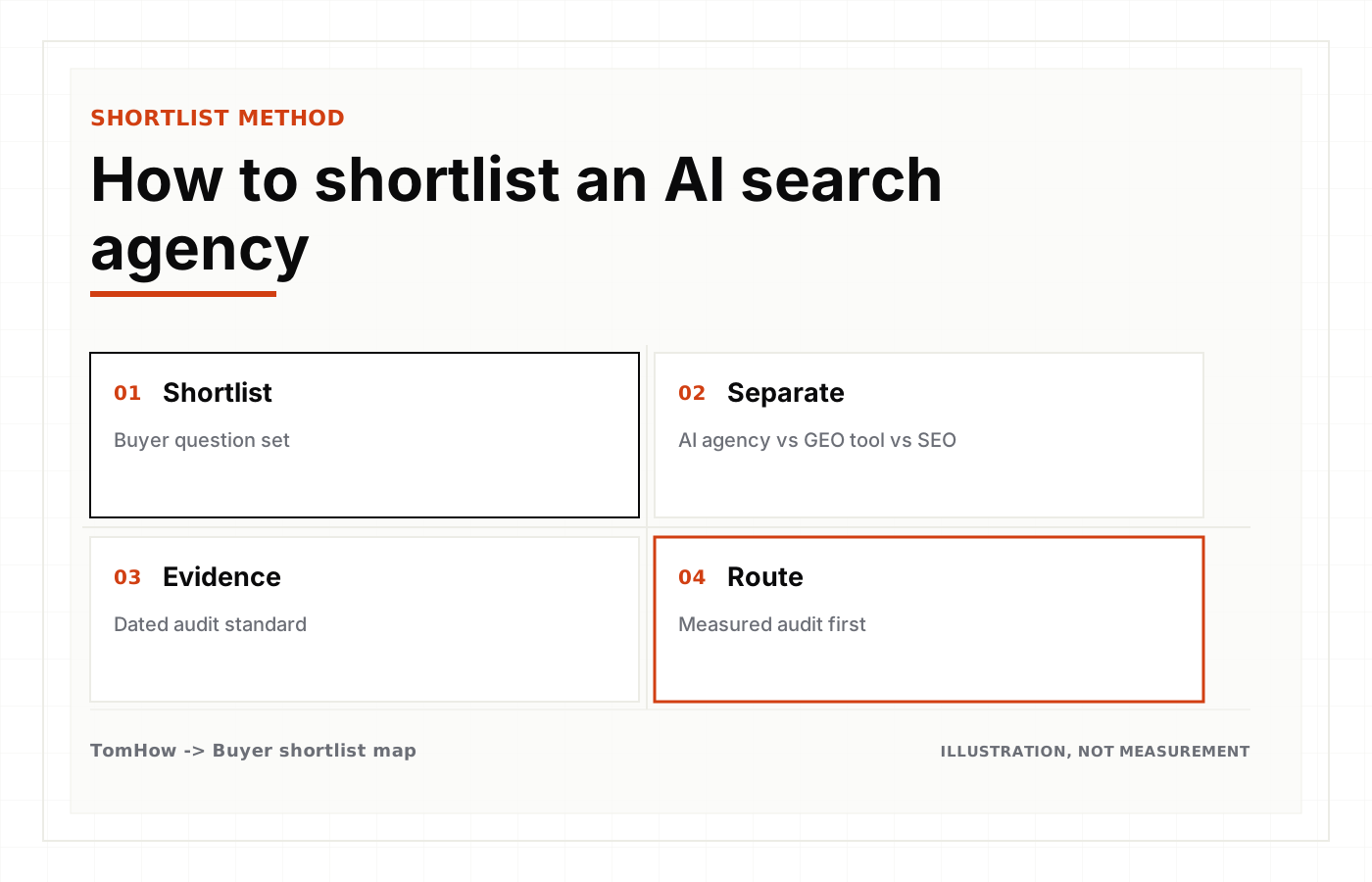
Buyer shortlist questions for AI search agencies
Choose an AI search provider by what you need done: measurement, diagnosis or implementation. Compare their evidence and scope before comparing labels.
Read note ->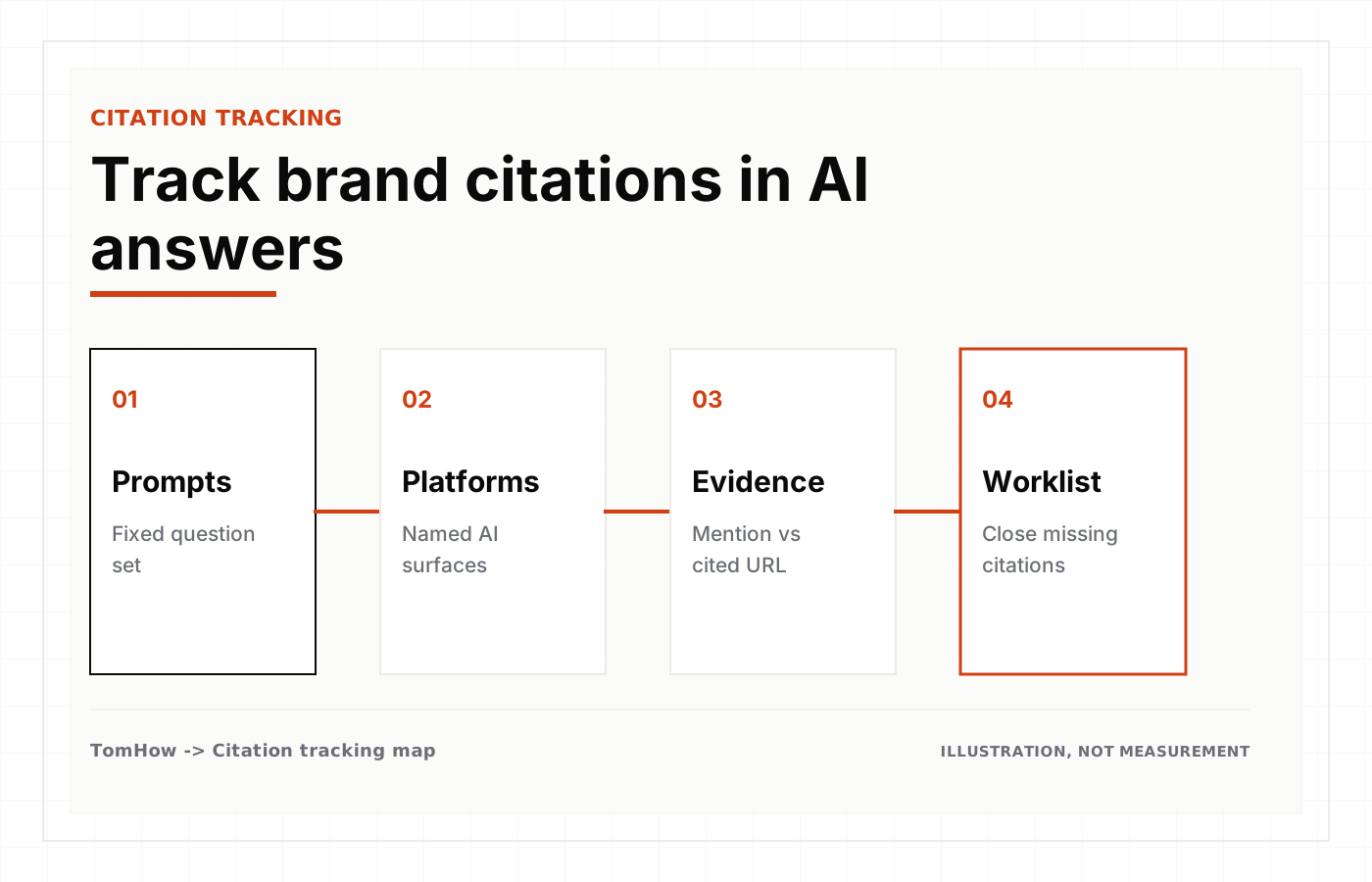
Citation questions that reveal brand visibility gaps
A useful citation check preserves the exact question, answer and linked sources, then separates brand mentions from citations and unavailable observations.
Read note ->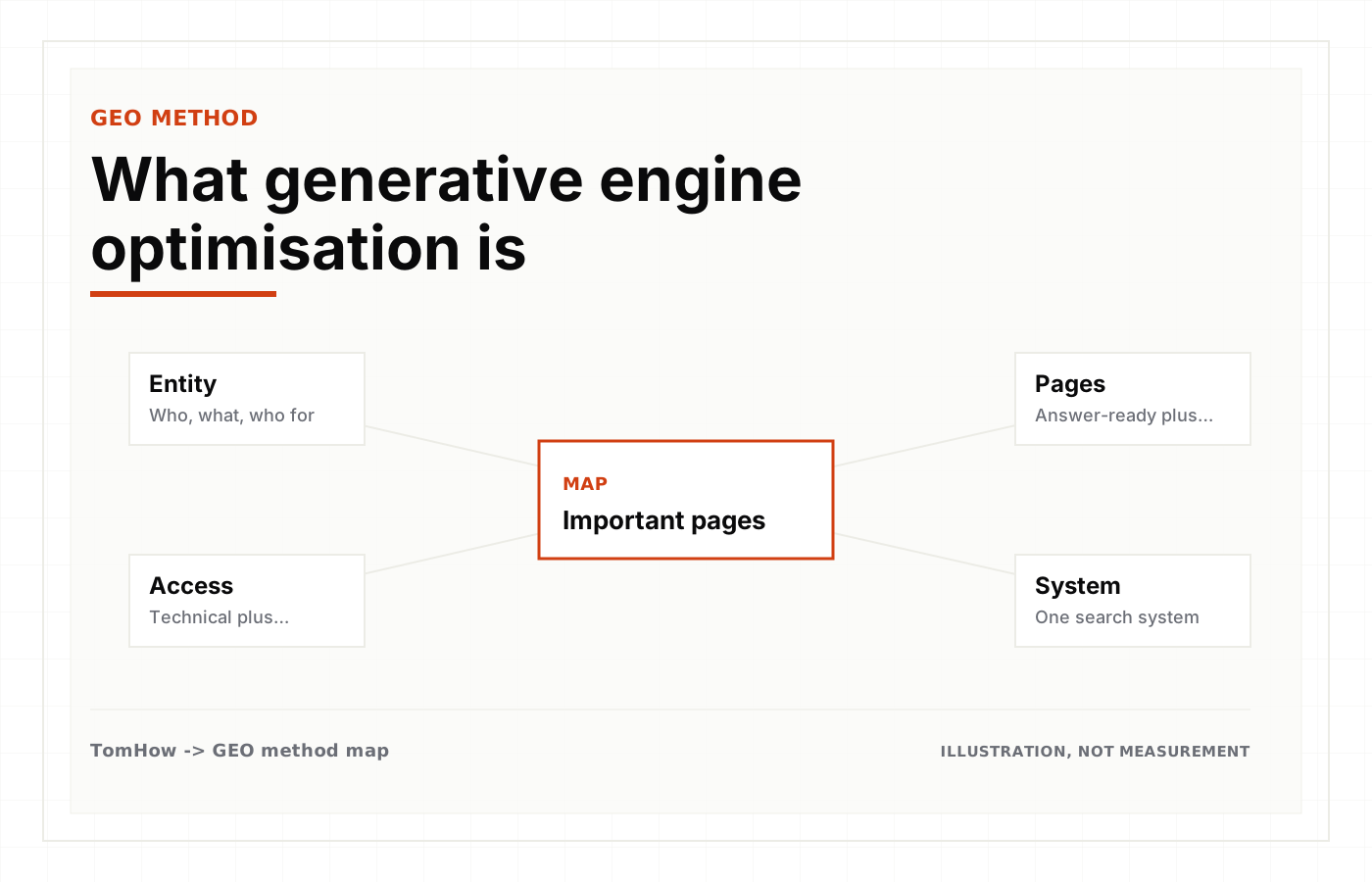
GEO questions buyers ask before choosing a provider
A useful GEO brief names the questions and platforms, identifies the pages and evidence that need work, and defines a fair repeat check without promising citations.
Read note ->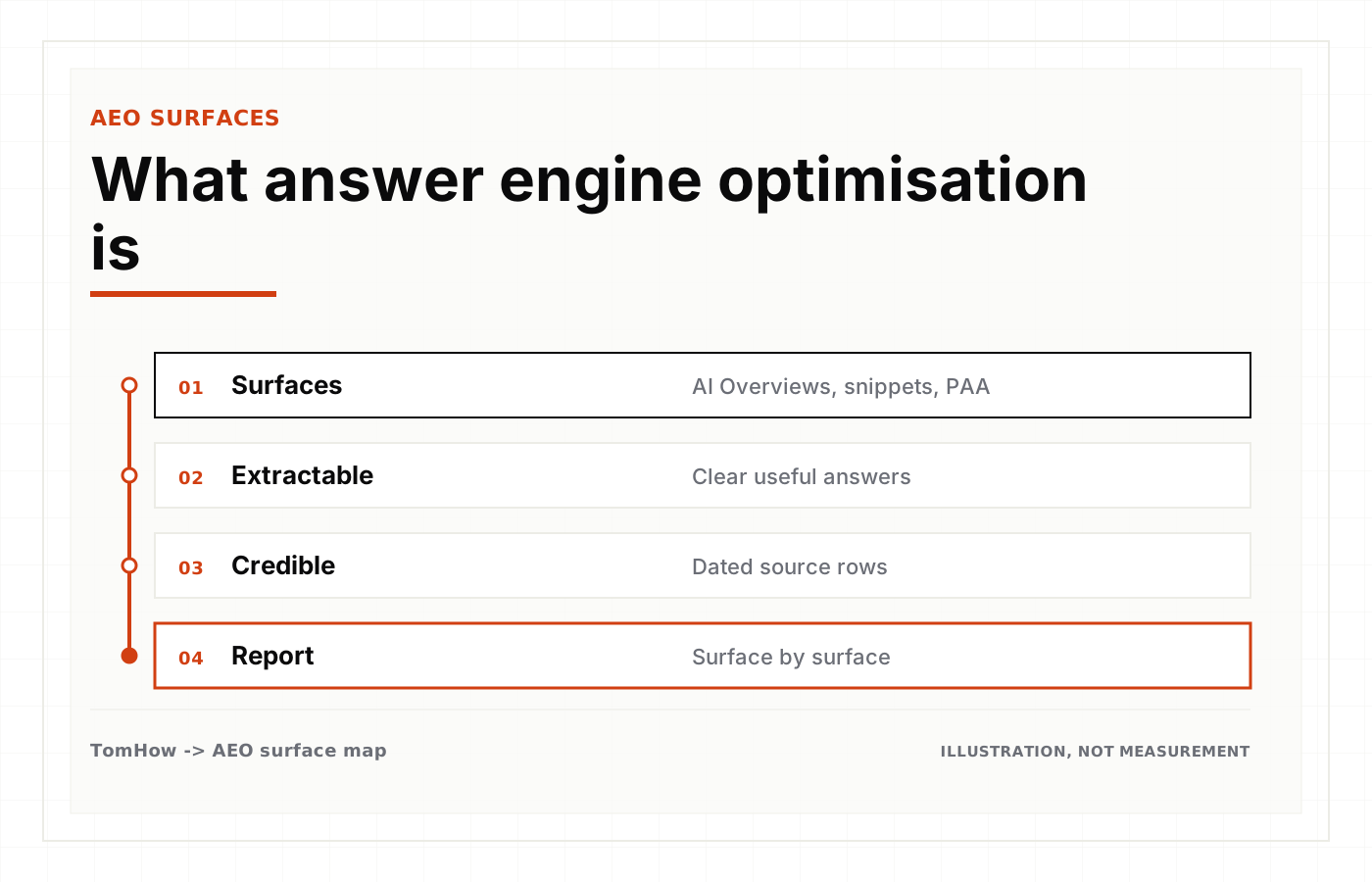
AEO questions that connect answer surfaces to action
An AEO review should turn a real customer question into a useful page change, with the answer surface, supporting evidence and follow-up check clearly named.
Read note ->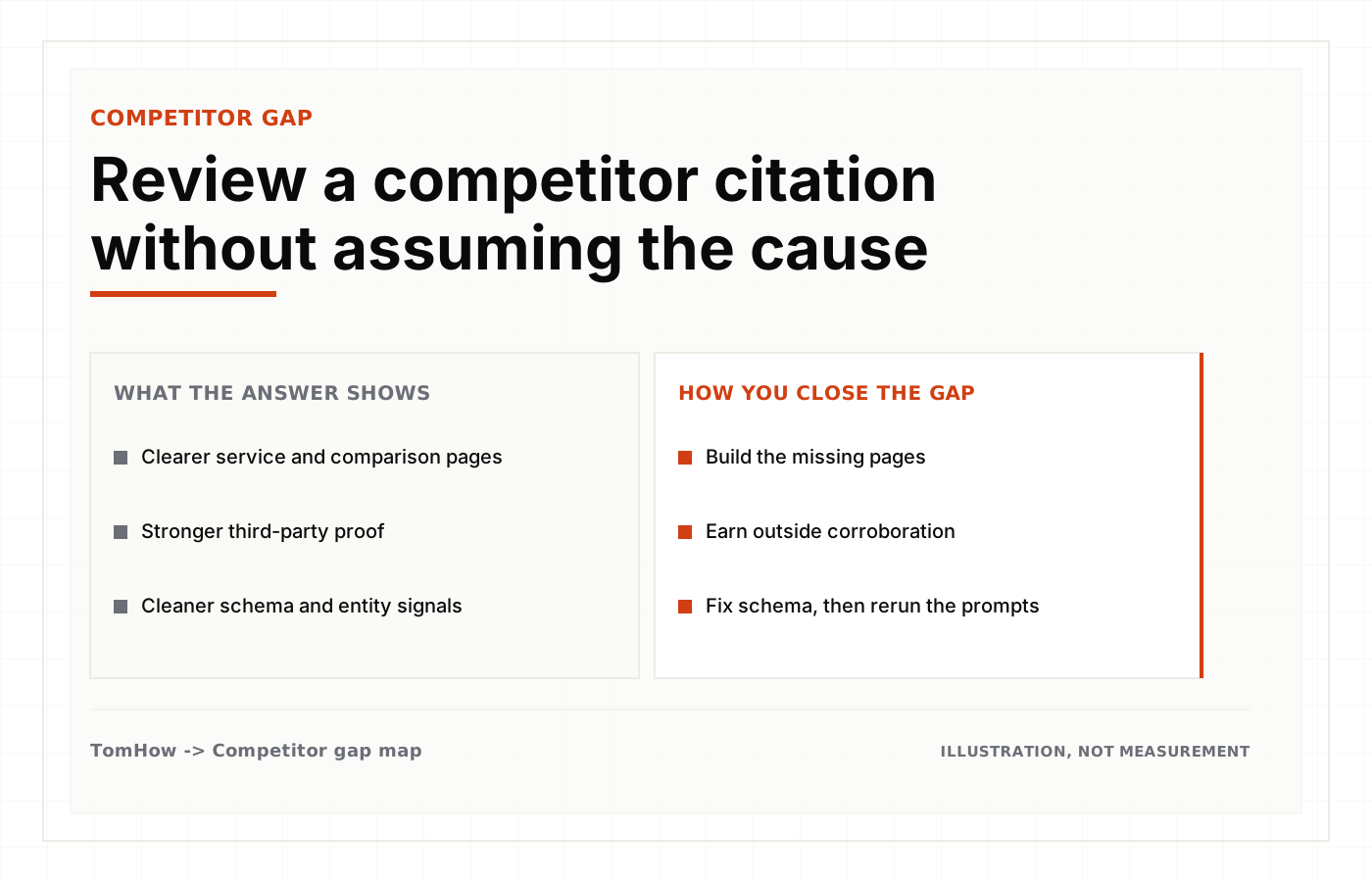
Competitor citation questions that expose displacement
A competitor citation identifies a source used in one observed answer. Inspect what that source contributes before deciding which change your own page needs.
Read note ->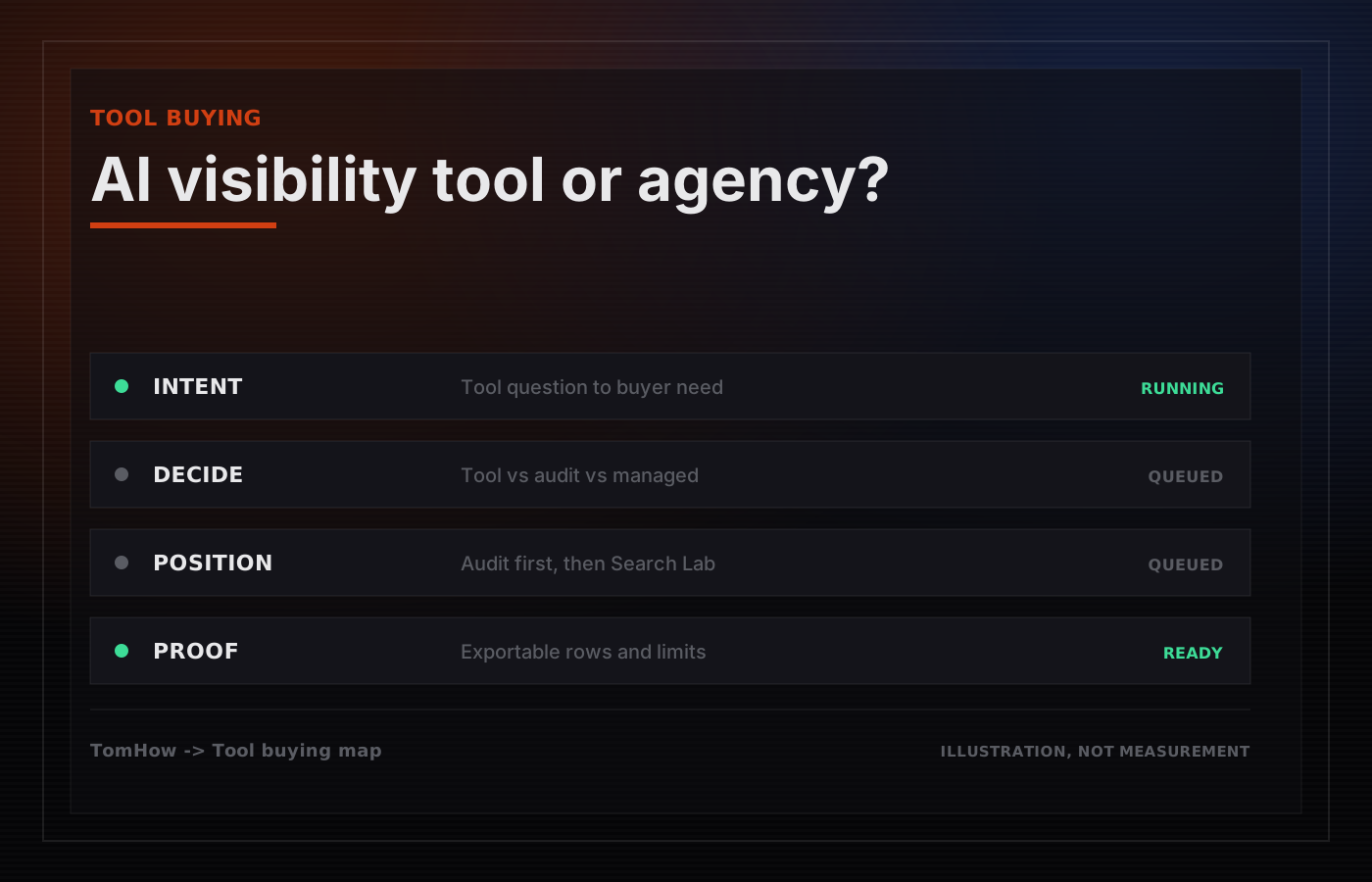
Tool questions for AI visibility tracking buyers
A tool can record selected answers, but somebody still needs to interpret them and change the pages. Match the purchase to the job and the team that will do it.
Read note ->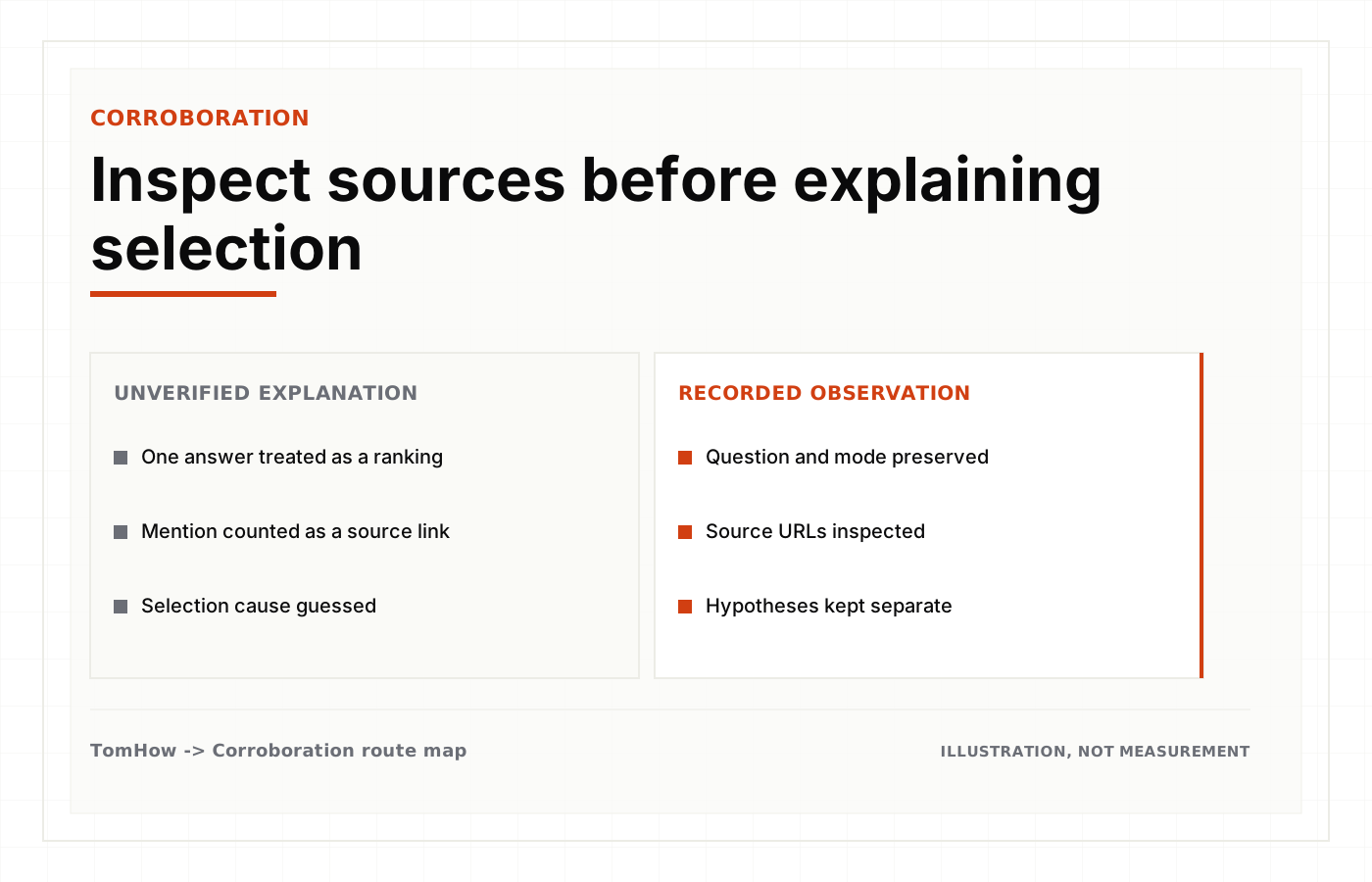
Why AI tools name some agencies before others
An answer records a provider selection, not its cause. Inspect the actual sources and test possible explanations before copying a competitor strategy.
Read note ->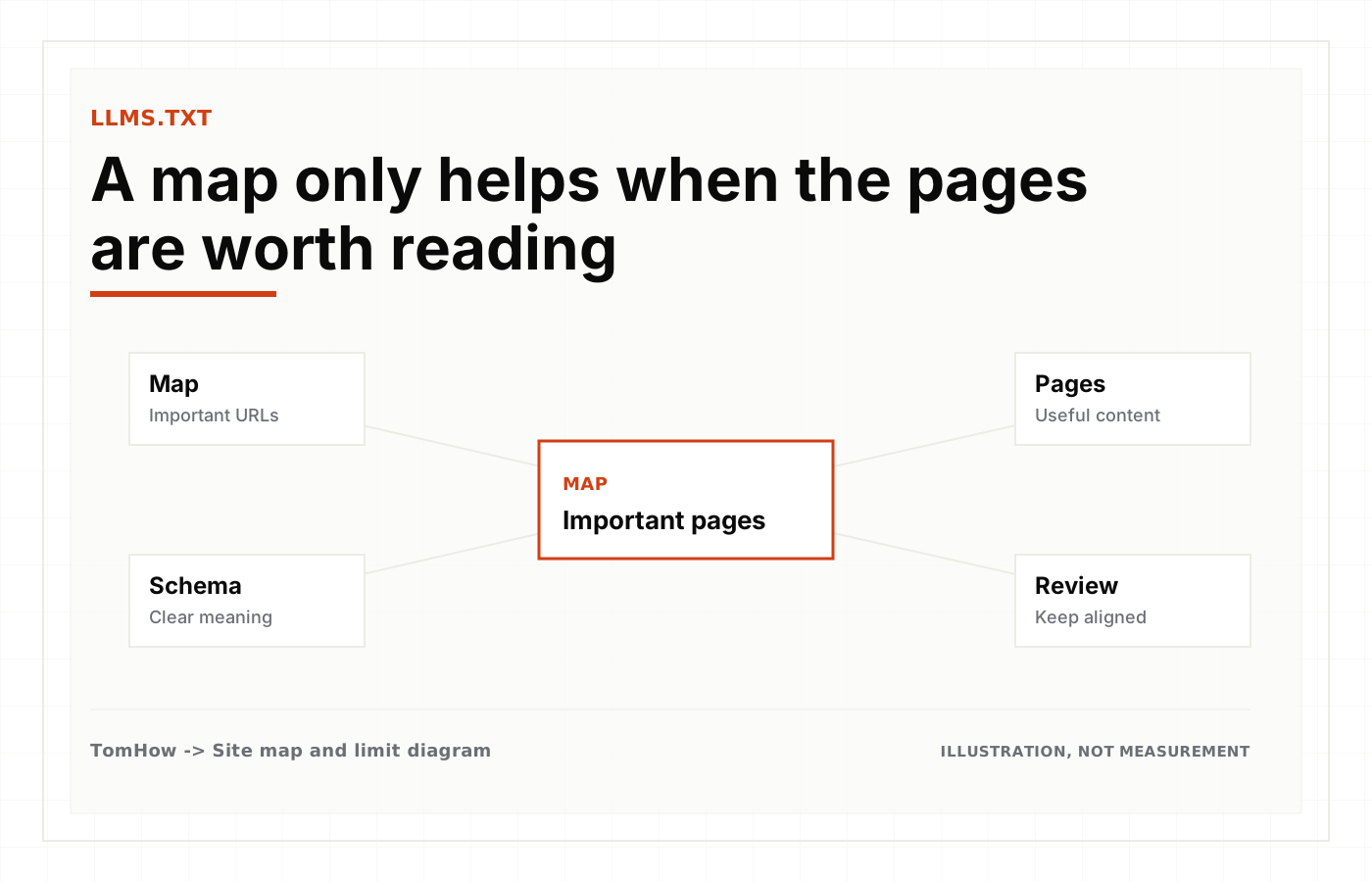
llms.txt is a map, not magic
llms.txt can document selected public pages, but Google does not use it for search visibility or rankings. Other systems may ignore it, and it cannot control access.
Read note ->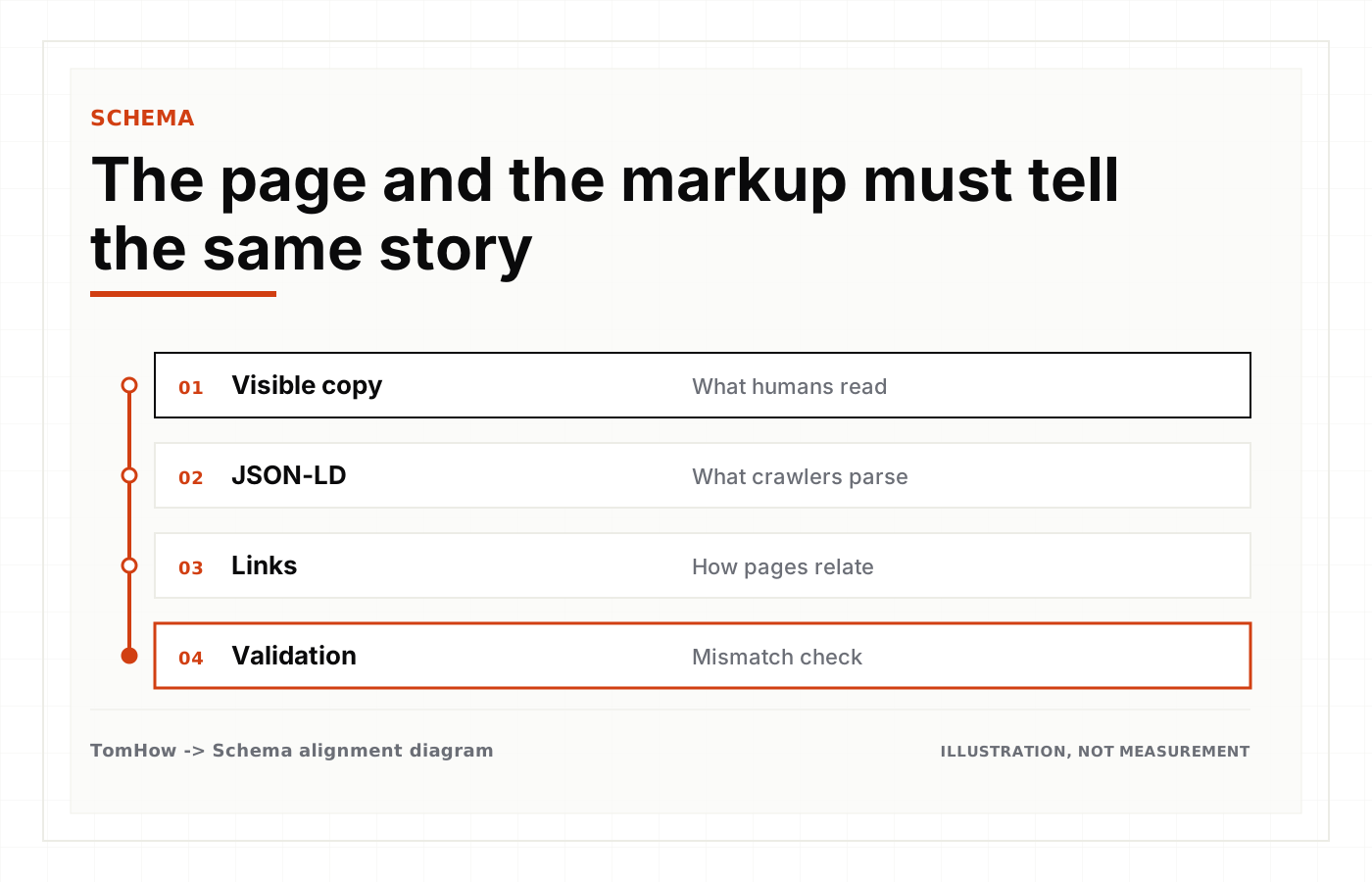
Schema for AI citations
Structured data should describe relevant visible facts. It is not a requirement for Google AI citations, and validation does not show a measured visibility improvement.
Read note ->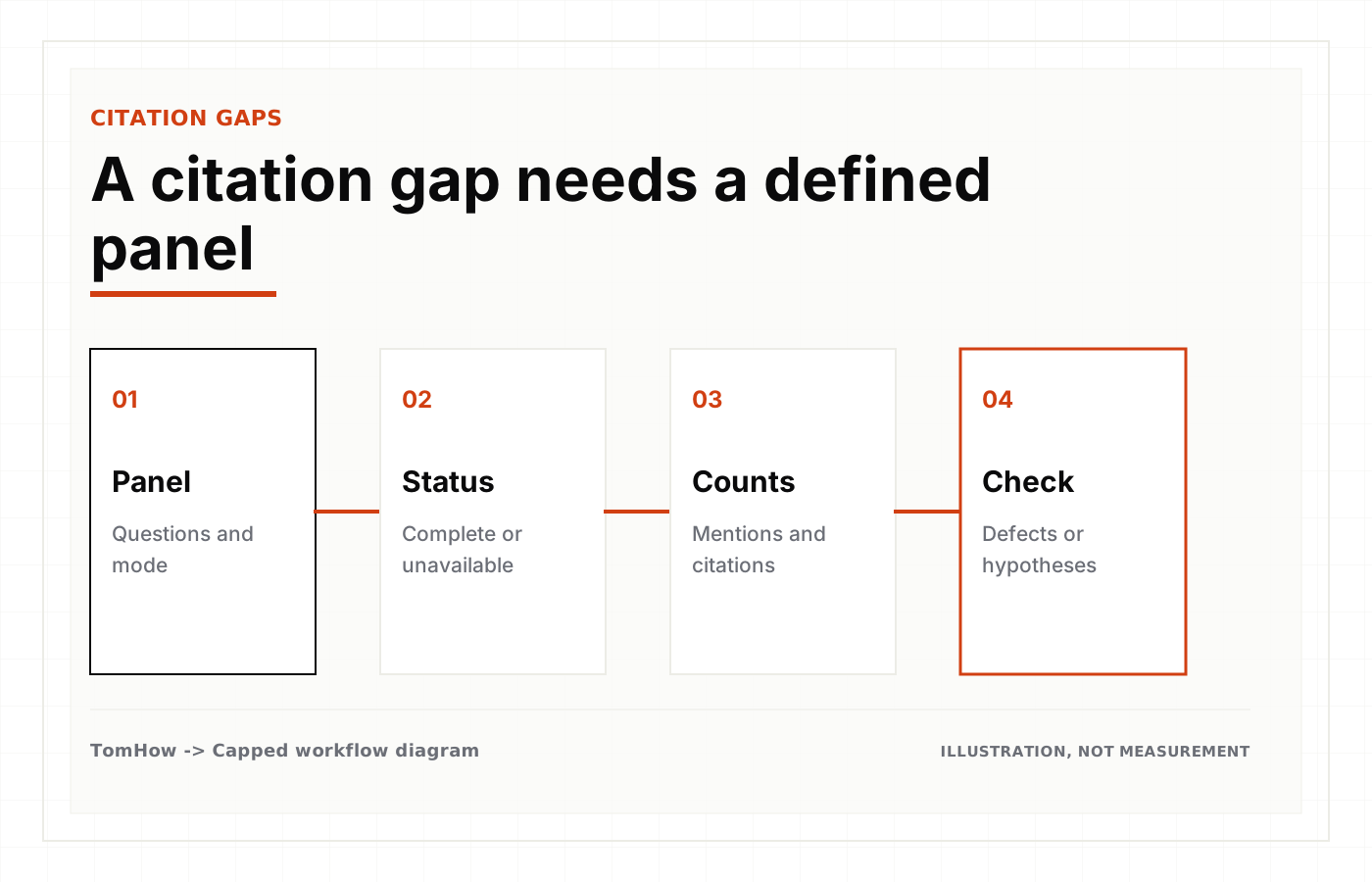
Citation gaps need limits before they need a free tool
A gap report is useful when the panel, capture conditions and source availability are explicit. Absence records a finding, not a guaranteed repair.
Read note ->Get the first evidence-led public note when it ships.
No newsletter stack yet, no tracking pixel, no automation promise. Send the site you want checked and I will reply when the first approved public evidence note is ready.
Send site for public note